
Guide library
Complex AI questions, made practical.
Focused reading to clarify a risk, prepare a decision, or ask better questions of a vendor.

Guide library
Browse the library
Every guide keeps its context: platform, industry, or deployment question.
23 guides shown
Shadow AI
What Is Shadow AI? The Complete Enterprise Guide
Understand unmanaged AI use, its risks, and the controls that make adoption safer.
Read guide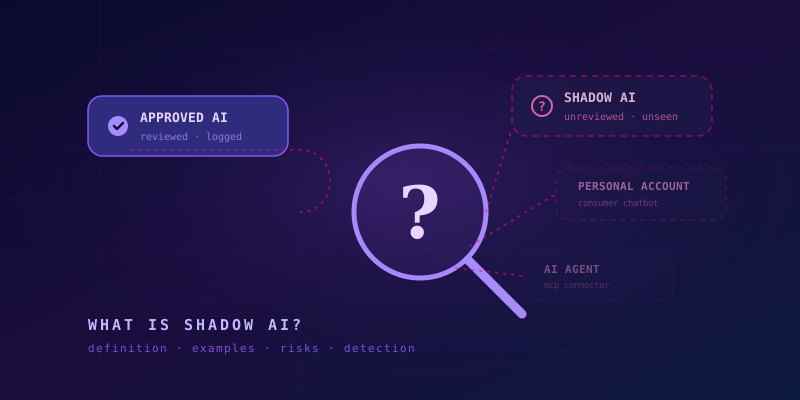

Types of AI guardrails
Compare sensitive data, prompt injection, content, tool actions, outputs and human oversight.
Read guide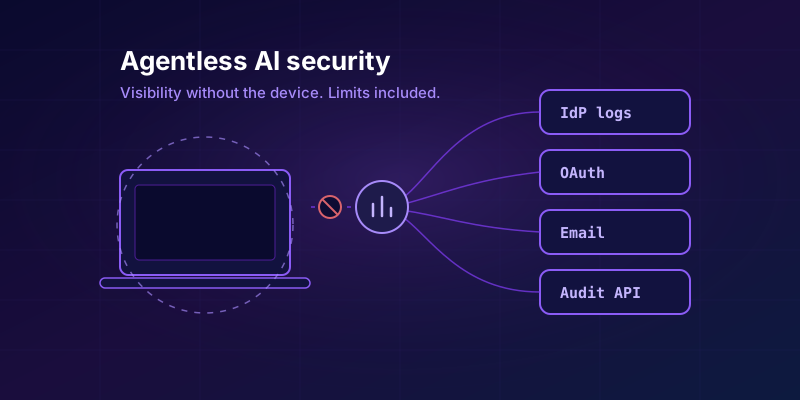
What Is Agentless AI Security? The Honest Guide
Separate genuine agentless security strengths from the deployment claims that need closer review.
Read guide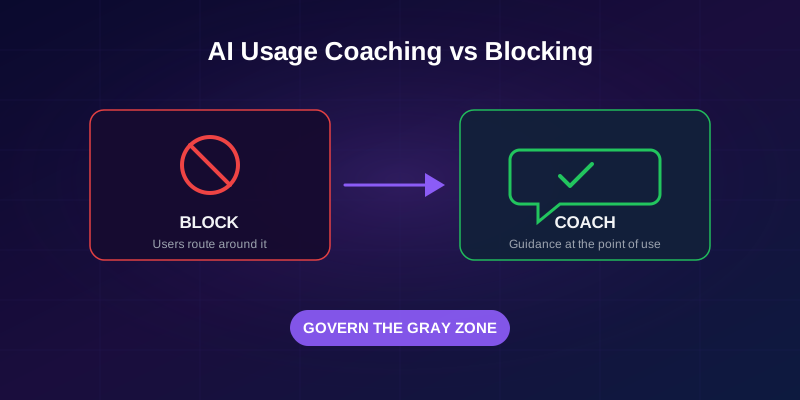
What Is AI Usage Coaching? Coaching vs Blocking
Choose when to coach, redirect, or block an employee AI interaction.
Read guide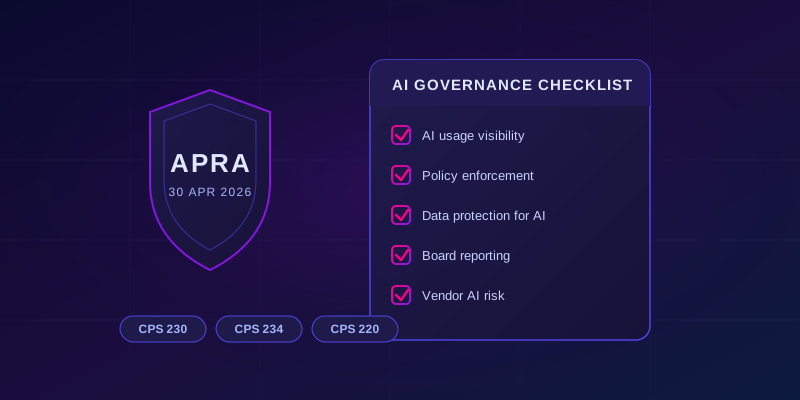
APRA AI Governance Checklist for CISOs
Turn APRA’s AI governance expectations into practical questions for a security programme.
Read guide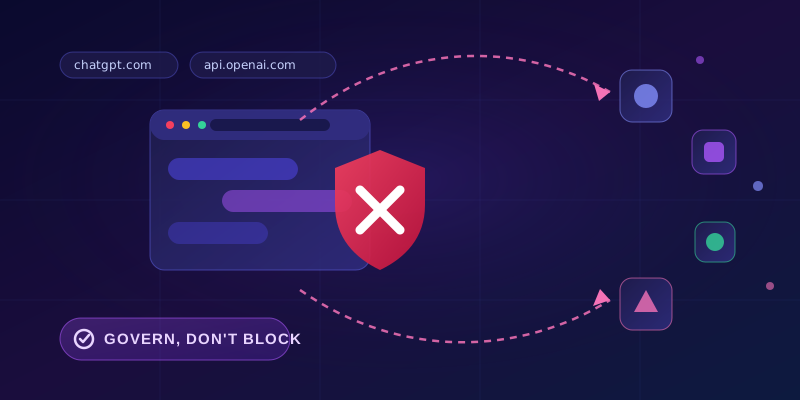
How to Block ChatGPT at Work (and What to Do Instead)
Compare blocking options, their gaps, and a more governable path forward.
Read guide
ChatGPT Workspace Agents Security Guide
Establish ownership, oversight, and sensible risk tiers for workspace agents.
Read guide
Microsoft Copilot Security Concerns
Review exposure, permissions, plugins, and evidence around Copilot use.
Read guide
Where Does Your AI Security Vendor Store Prompt Data?
Ask better vendor questions about prompt processing, storage, and residency.
Read guide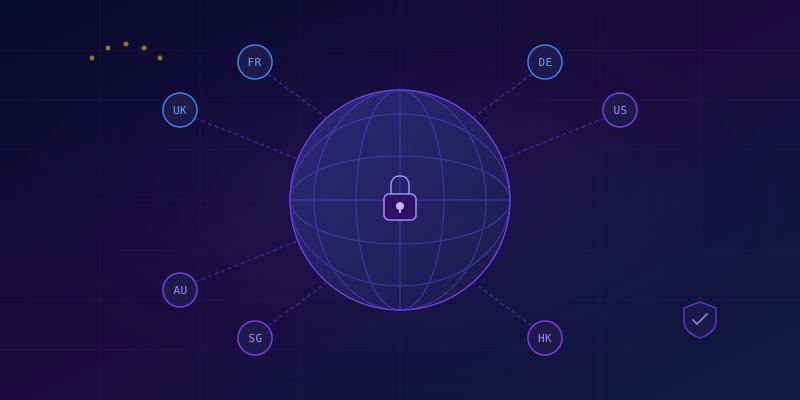
AI Data Residency Requirements for EU and UK Security Teams
Clarify EU and UK data-transfer questions before evaluating an AI security vendor.
Read guide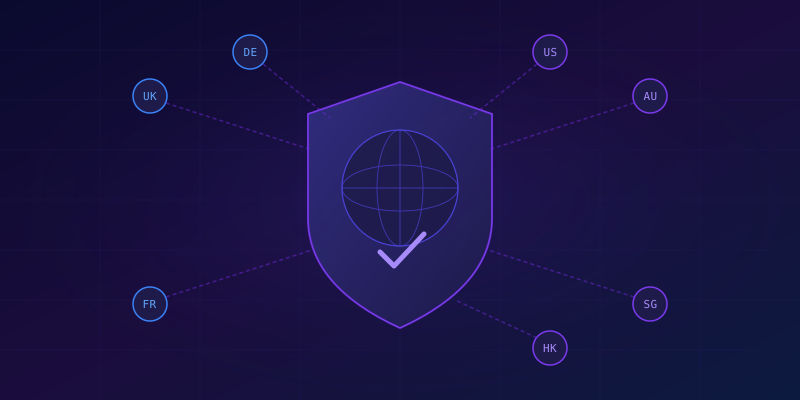
Sovereign AI for Regulated Industries
Distinguish sovereign AI, sovereign cloud, and data-residency requirements.
Read guide
AI Security Guide for Healthcare
Frame employee AI use around sensitive health information and operational safeguards.
Read guide
AI Security Guide for Financial Services
Explore practical AI governance questions for regulated financial workflows.
Read guide
AI Security Guide for Government & Public Sector
Start with public-sector AI use, accountability, and deployment constraints.
Read guide
AI Security Guide for Legal Services
Examine AI use through confidentiality, matter context, and review responsibilities.
Read guide
AI Security Guide for Manufacturing
Address AI adoption questions across operational and industrial teams.
Read guide
AI Security Guide for Education
Consider practical AI controls for education staff, students, and sensitive records.
Read guideAI Governance for Law Firms: Client Confidentiality and Employee Use
Examine AI use through confidentiality, matter context, and review responsibilities.
Read guide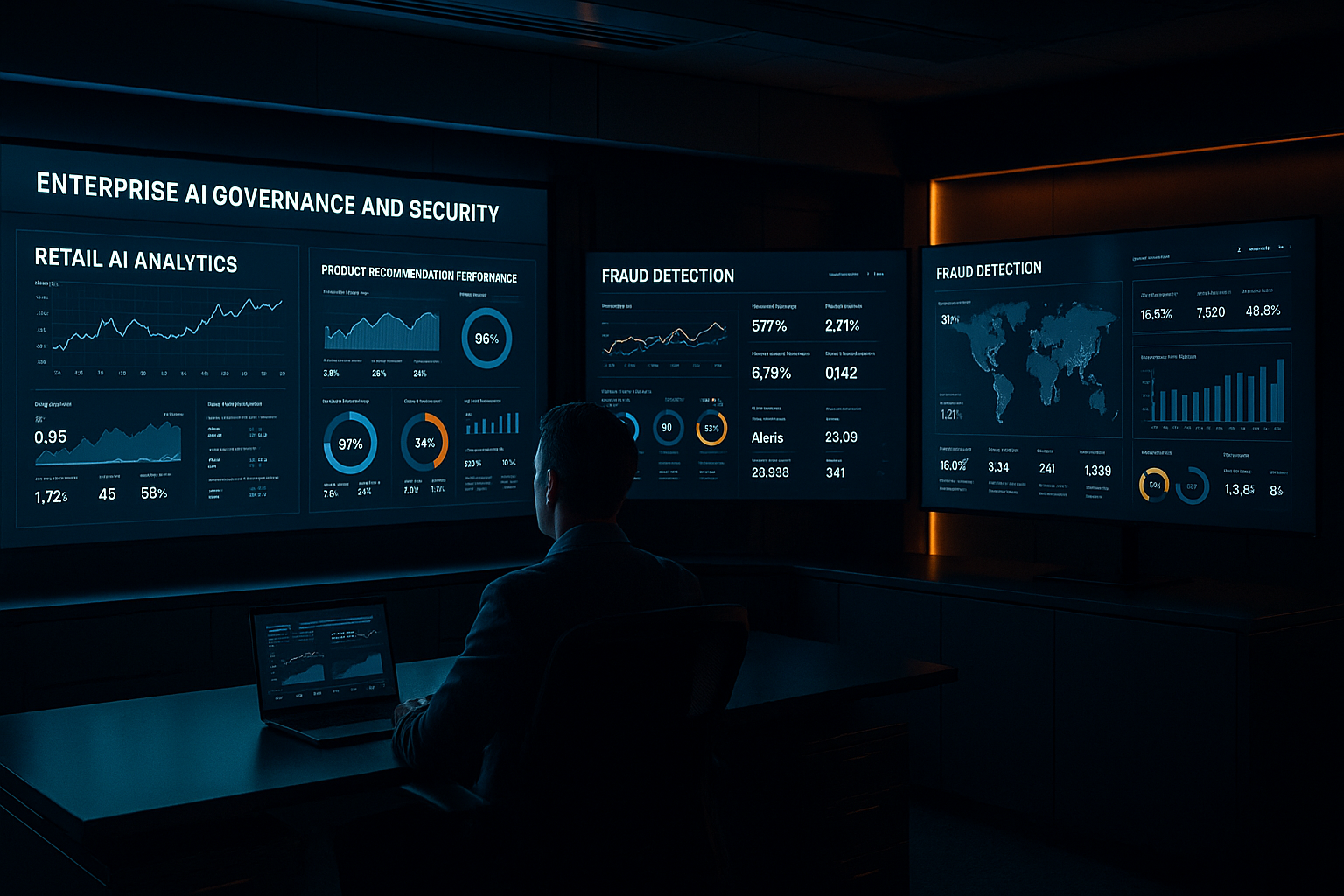
AI Security Guide for Retail & E-commerce
Prepare AI governance questions for customer, commerce, and workforce activity.
Read guide
AI Security Guide for Energy & Utilities
Guide AI adoption conversations across essential-service operations and data.
Read guide
AI Security Guide for Insurance
Review AI use with customer information, claims work, and accountable oversight.
Read guide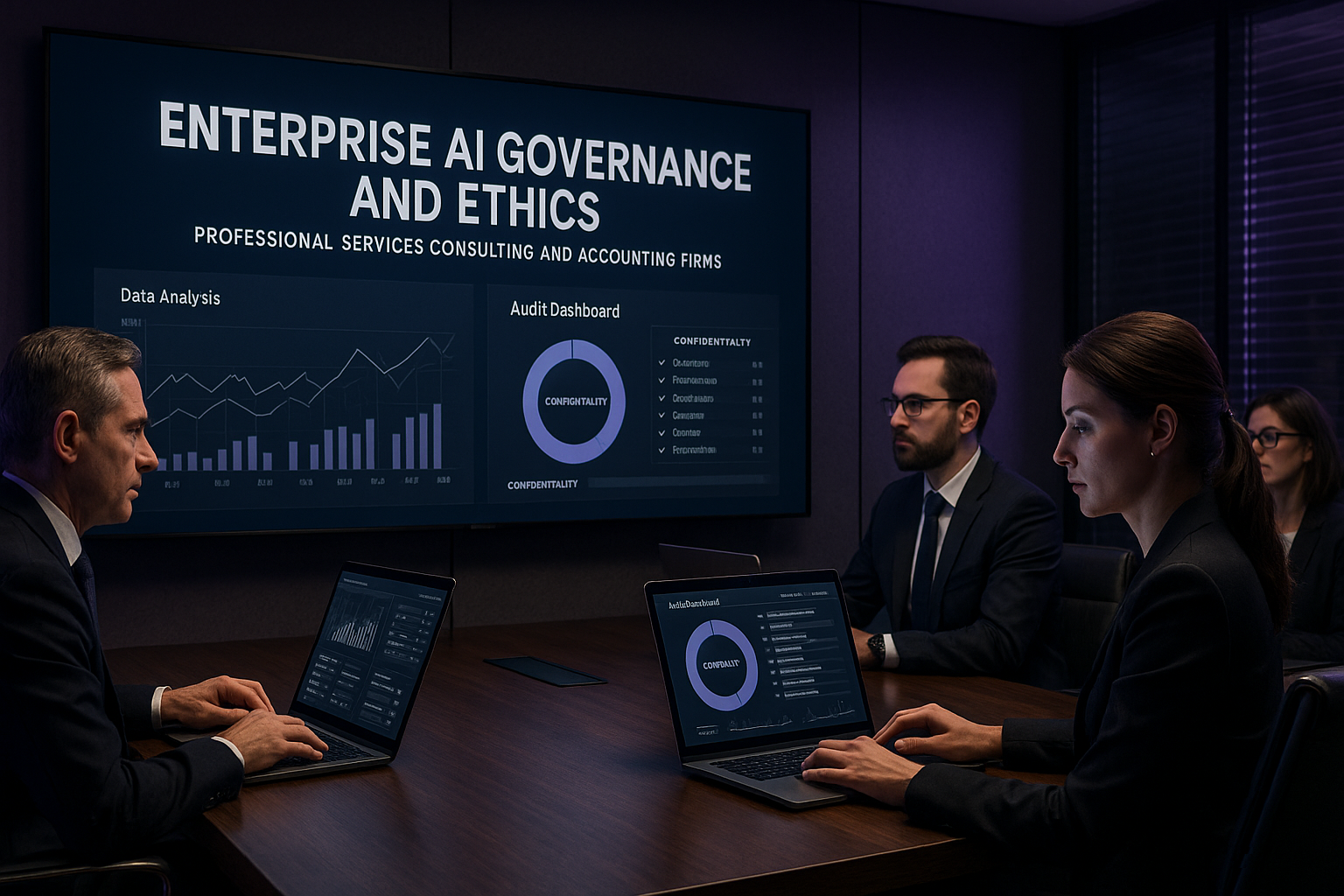
AI Security Guide for Professional Services
Bring client confidentiality and delivery workflows into the AI evaluation.
Read guide
AI Security Guide for Telecommunications
Explore AI governance for network, customer, and workforce information.
Read guideA specific question about sensitive data?
Decide what staff can send to AI.
Explore HIPAA and other compliance decisions, developer data protection and everyday file-sharing questions, with practical examples to use.
Move from reading to action
Need an operational path?
Browse playbooks for preparing a document, testing an approach, or organising a policy review.
A question specific to your environment?
Plan a focused evaluation.
Bring the workflow, platform, or deployment constraint that needs to be clarified.